Know the basics
What blood glucose, insulin and common tests mean — without turning one number into a diagnosis.
Independent English-language education about diabetes and everyday routines, written for readers in Kenya.
Food, movement, sleep, monitoring and questions for a clinician — organised as a calm learning resource rather than a promise, diagnosis or quick fix.
What blood glucose, insulin and common tests mean — without turning one number into a diagnosis.
Use familiar Kenyan foods to think about portions, fibre, protein and carbohydrate quality.
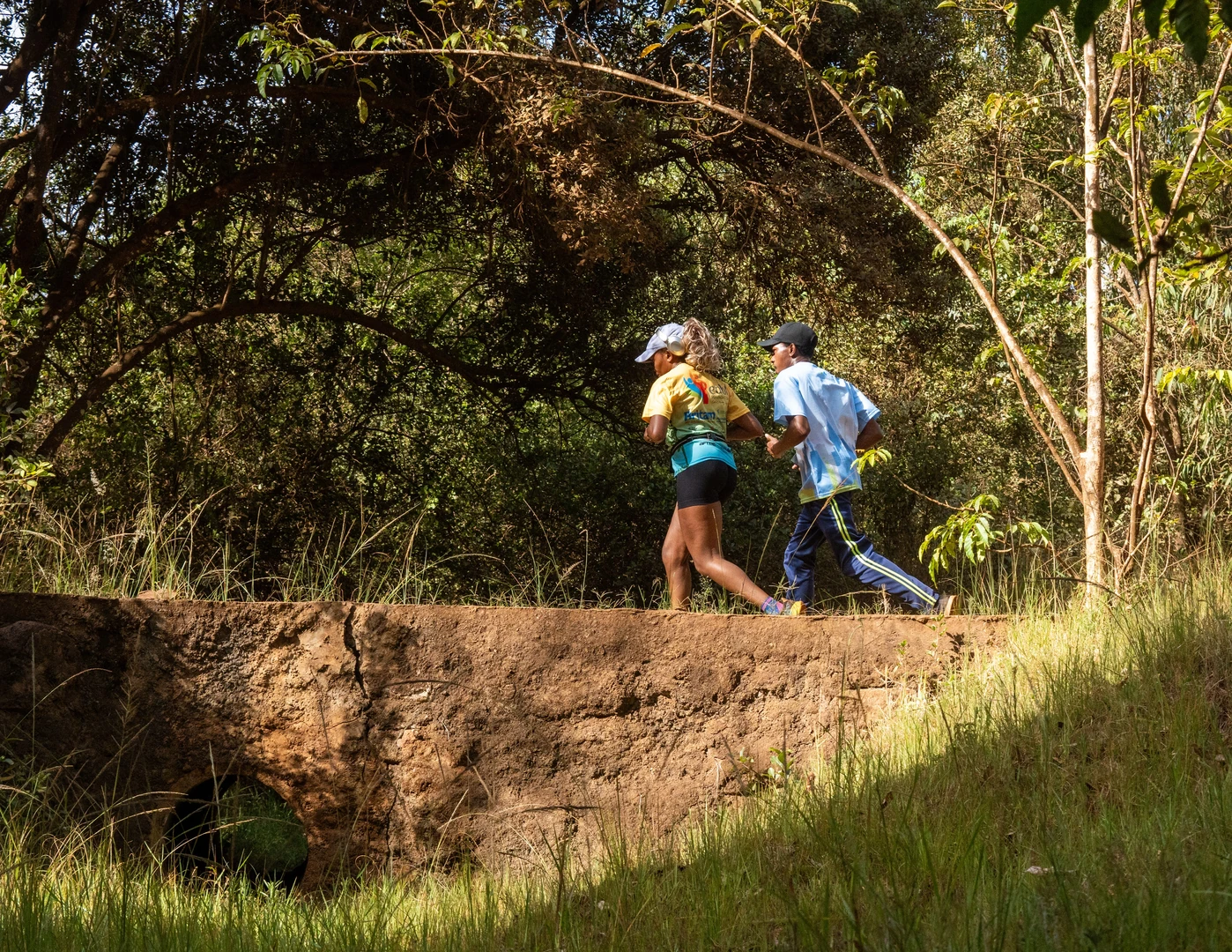
Walking and other activity can be part of diabetes prevention and management when appropriate for you.
Use appointments to clarify targets, medicines, monitoring and screening rather than self-adjusting treatment.
Diabetes is a medical condition involving blood-glucose regulation. Daily habits matter, but genetics, age, medications, access to care and the type of diabetes also matter. A useful website should help you ask better questions — not turn complicated care into blame.
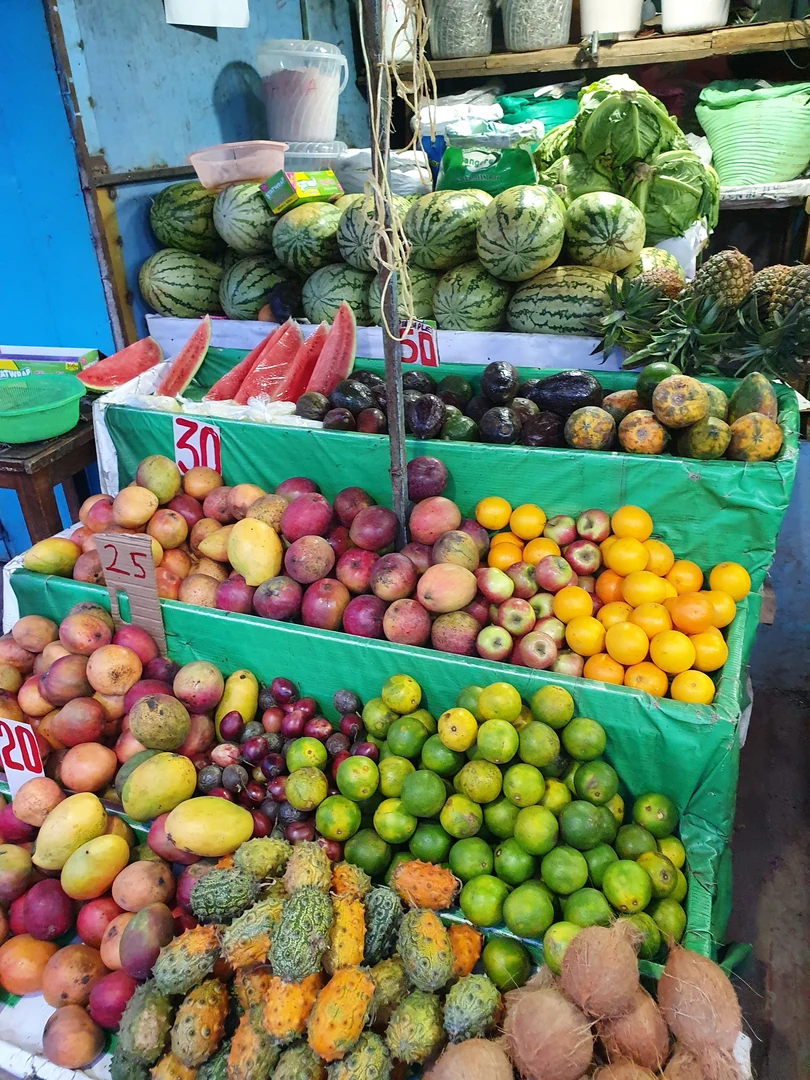
Whole fruit can fit a balanced eating pattern. Portion, overall carbohydrate intake and individual response matter more than blanket bans.
Blood glucose is affected by total carbohydrate, meal composition, medicines, activity, illness, stress and other factors.
A single reading is only one data point. Diagnosis and treatment decisions rely on validated testing and clinical context.
Eco Foundation is an editorial website, not a clinic and not a registered foundation or charity based on the information supplied for this project. It publishes general education for adults who want clearer language around diabetes and daily routines.
The declared business model is affiliate publishing. No affiliate network, partner or destination URL has been supplied, so this release contains no active affiliate destination and earns no commission from outbound product links.
We do not sell medicines, supplements, glucose meters or treatment plans. We also do not ask visitors to submit glucose readings, diagnoses or medical records through the contact form.
When a topic crosses from general education into personal treatment, the correct next step is a clinician who knows your history.
Our articles separate general lifestyle education from diagnosis and treatment. We use current public-health guidance as background, localise examples for Kenya where it is reasonable, avoid guarantees, and explain uncertainty. The editorial approach and funding model are documented openly.