Think in structure, not banned-food lists
A useful meal framework combines non-starchy vegetables, a protein or legume source, and a measured portion of carbohydrate-rich food. The exact portions depend on energy needs, medication, glucose goals, culture and budget. This is why a plate picture is a starting point rather than a prescription.
Starches can stay on the plate
Ugali, rice, chapati, potatoes, matoke, cassava and other staples provide carbohydrate. Having diabetes does not automatically mean eliminating all of them. Portion size, preparation, the rest of the meal and your individual glucose response all matter. Whole or less-refined grains and higher-fibre choices can be useful when affordable and acceptable.
Vegetables and pulses
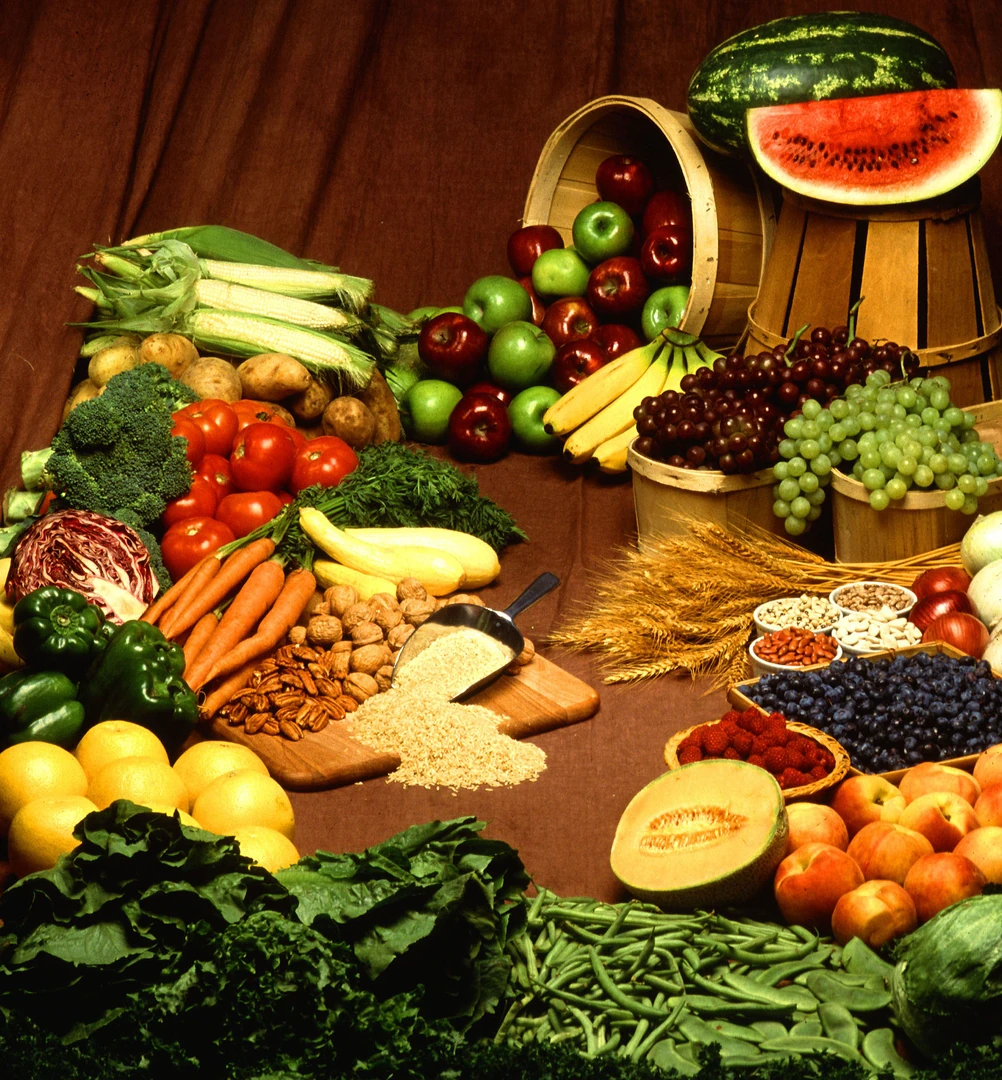
Sukuma wiki, cabbage, spinach, tomatoes, traditional leafy vegetables, green beans and other vegetables add volume, micronutrients and fibre. Beans, peas and lentils provide both carbohydrate and protein, often at a lower cost than some animal-protein foods.
Protein choices
Beans, lentils, eggs, fish, chicken, meat and dairy can all fit. Preparation matters: frequent deep frying or large amounts of saturated fat can change the nutritional picture. A practical approach is to choose methods you can repeat — boiling, stewing, grilling, roasting or lightly sautéing — rather than chasing a perfect meal.
Fruit is not automatically off-limits
Whole fruit brings fibre and water along with natural sugars. Juice is easier to consume quickly and usually provides less fibre per amount of carbohydrate, so portions can add up faster. If you monitor glucose, your care team can help you understand how different portions fit your plan.

Budget and access count
Healthy eating advice that ignores price and availability is not useful. Plan around foods you can reliably buy: seasonal vegetables and fruit, beans, peas, eggs, small fish where available, whole or minimally processed staples, and water as the default drink. Frozen or canned options can also be useful when available; check added sugar and sodium.
Takeaway
Build meals from familiar foods. Aim for variety and fibre, avoid turning sugar-sweetened drinks into everyday hydration, and work with a qualified clinician or dietitian for personal carbohydrate goals — especially if you use insulin or medicines that can cause low blood glucose.